
HJT Solar Panels
Advanced Heterojunction Technology for High-Performance Solar Power
Power your home, business, or solar project with advanced HJT solar panels from Lux Solar. Designed to combine high-efficiency crystalline silicon technology with advanced passivation layers, HJT modules offer excellent energy conversion, strong temperature performance, and reliable long-term operation.
HJT stands for Heterojunction Technology, a solar cell architecture that combines different semiconductor materials within the same cell structure to improve the collection and utilization of solar energy.
With strong performance across different temperatures and light conditions, HJT solar panels are designed for customers looking for advanced solar technology and dependable energy generation.
At Lux Solar, we bring together modern solar technology, professional installation, and reliable support to help customers make the most of their transition to clean energy.
What Are HJT Solar Panels?
HJT, or Heterojunction Technology, is an advanced solar cell technology that combines a crystalline silicon wafer with thin semiconductor layers on both sides of the cell.
This structure helps improve the passivation of the solar cell surface and reduces electrical losses during the conversion process. The result is a solar cell architecture designed for high efficiency and strong energy generation under different operating conditions.
HJT technology is particularly known for its strong temperature characteristics, low degradation potential, and ability to maintain effective performance under varying levels of sunlight.
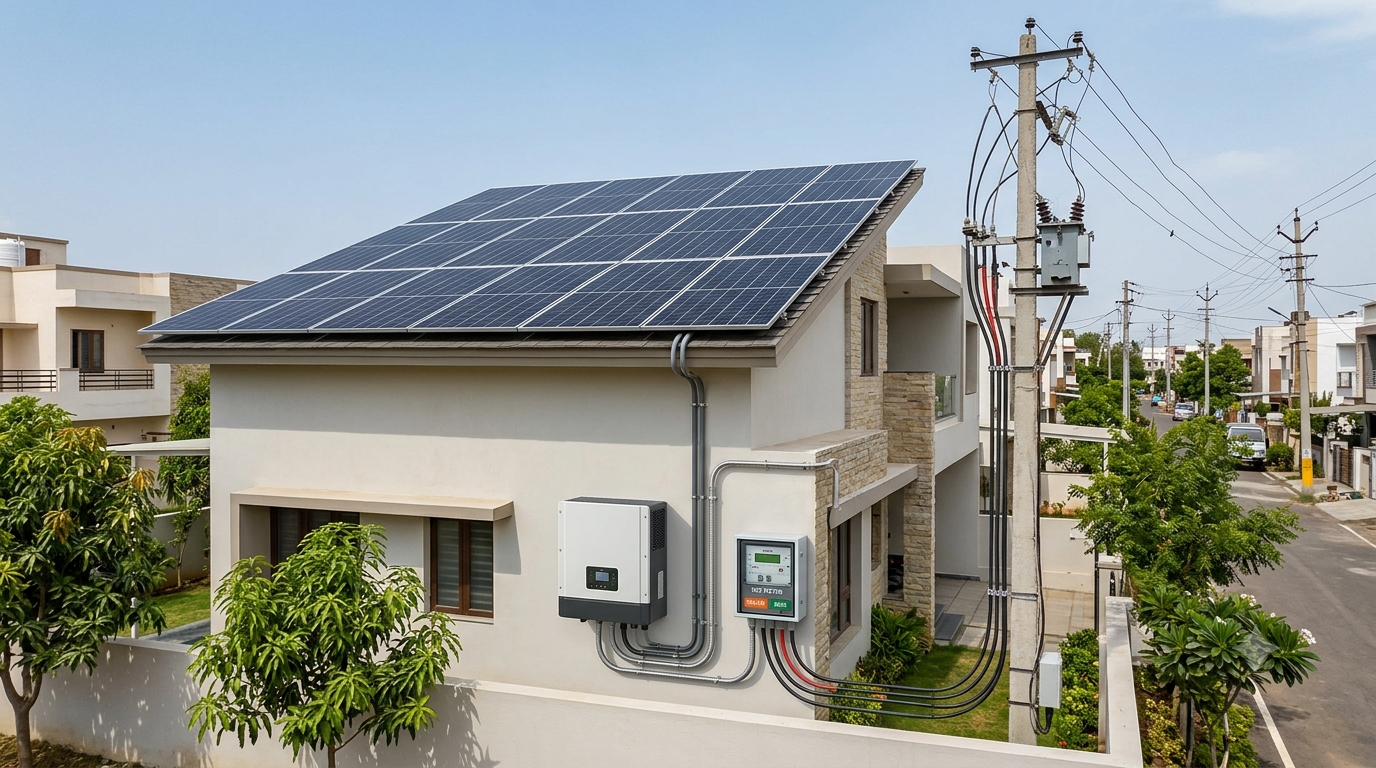
For residential, commercial, and utility-scale installations, HJT panels can provide an advanced solution where long-term energy generation and efficient use of available space are important.
Why Choose HJT Solar Panels?
HJT technology offers several advantages for modern solar installations.
High Conversion Efficiency
HJT solar cells are designed to minimize energy losses and efficiently convert sunlight into electricity. High module efficiency can be particularly valuable when installation space is limited.
Excellent Temperature Performance
Solar modules operate under varying temperatures throughout the day. HJT technology is known for strong temperature characteristics, helping maintain energy output as module temperatures increase.
Better Performance in Low-Light Conditions
Solar irradiance changes throughout the day due to weather, clouds, morning and evening conditions. HJT technology can provide strong performance under lower-light conditions, helping the system make better use of available sunlight.
Low Degradation
Solar panels gradually lose some of their power-generating capability over their operating life. HJT technology is designed for low degradation, helping preserve energy generation over the long term.
High Energy Yield
The combination of high efficiency, temperature performance, and low degradation can contribute to strong lifetime energy generation.
Bifacial Compatibility
HJT cells can be used in bifacial module designs, allowing the rear side of the module to capture additional reflected and scattered sunlight when the installation environment is suitable.
Advanced Heterojunction Technology
HJT technology uses a different approach to solar cell construction compared with conventional P-Type and standard N-Type cell architectures.
A crystalline silicon wafer forms the central part of the cell, while thin semiconductor layers are applied to its surfaces. These layers help passivate the silicon surface and improve the movement and collection of electrical charges.
The technology provides a combination of:
- High conversion efficiency
- Strong temperature performance
- Low degradation
- Improved low-light response
- High energy yield
- Bifacial capability
- Long-term performance
For customers looking for advanced photovoltaic technology, HJT provides an efficient and modern approach to solar power generation.
Applications of HJT Solar Panels
Residential Rooftop Solar
HJT panels can help homeowners generate clean electricity while making efficient use of available rooftop space. Their high efficiency makes them suitable for installations where roof area is limited.
Commercial Solar
Offices, retail buildings, institutions, and commercial properties can use HJT modules to generate renewable electricity from available rooftop areas.
Industrial & Warehouse Solar
Large industrial facilities and warehouses can benefit from high-efficiency solar modules to maximize energy generation from their available roof space.
Utility-Scale Solar Projects
HJT technology can also be used for larger solar projects where long-term energy yield, module performance, and efficient land utilization are important considerations.
High-Temperature Locations
Because temperature performance is an important consideration for solar installations in hot climates, HJT technology can be particularly relevant for projects operating under high ambient temperatures.
HJT vs TOPCon Solar Panels
HJT and TOPCon are both advanced solar cell technologies, but they use different cell architectures.
HJT combines crystalline silicon with thin semiconductor layers to create a heterojunction structure, while TOPCon uses a passivated contact structure with a thin tunnel oxide layer.
Both technologies are designed to improve efficiency and long-term energy generation.
Bifacial HJT Solar Panels
HJT technology can also be incorporated into bifacial solar modules.
A bifacial HJT module can generate electricity from sunlight reaching both the front and rear surfaces of the module. The front side receives direct and diffuse sunlight, while the rear side can capture reflected and scattered light from the surrounding environment.
The additional rear-side generation depends on factors such as:
- Surface reflectivity
- Module mounting height
- Row spacing
- Tilt angle
- Ground conditions
- Rear-side shading
- Available rear-side irradiance
- Overall system design
When properly designed and installed, bifacial HJT modules can increase the total energy generated by a solar installation.
HJT Solar Panels and Long-Term Energy Generation
Choosing a solar panel is a long-term investment. Initial module power is only one part of the overall performance equation.
Energy production over many years is also influenced by degradation, operating temperature, light conditions, installation environment, and system design.
HJT technology focuses on maintaining strong energy conversion while providing low degradation and strong temperature performance.
This combination can help solar systems deliver dependable energy generation over their operating life.
For customers planning a long-term solar installation, HJT provides an advanced technology option focused on efficiency, reliability, and lifetime energy yield.
Built for Modern Solar Applications
The solar industry continues to move toward technologies that can generate more electricity from the same available space.
HJT addresses this demand through an advanced cell structure designed to improve energy conversion and maintain strong performance under different operating conditions.
Whether installed on a residential rooftop, commercial building, industrial facility, or large solar project, HJT technology can provide a modern foundation for clean electricity generation.
Frequently Asked Questions About HJT Solar Panels
What is an HJT solar panel?
HJT stands for Heterojunction Technology. HJT solar panels use a crystalline silicon wafer combined with thin semiconductor layers to create a solar cell designed for high efficiency and strong performance across different operating conditions.
How does HJT technology work?
HJT combines crystalline silicon with thin semiconductor layers that improve surface passivation and help reduce electrical losses. This allows more of the energy generated by sunlight to be collected and converted into usable electricity.
Are HJT solar panels suitable for Indian weather?
Yes. HJT technology is designed to perform across varying environmental conditions and has strong temperature characteristics, making it suitable for solar installations in India's diverse climate.
Are HJT panels better in high temperatures?
HJT technology is known for its strong temperature performance. Solar module output generally changes as operating temperature increases, and HJT's temperature characteristics can help reduce the impact of high operating temperatures on power generation.
Do HJT solar panels work in low-light conditions?
Yes. HJT modules can continue generating electricity under lower irradiance conditions. However, all solar panels produce less electricity when available sunlight decreases.
Are HJT solar panels bifacial?
HJT cells can be incorporated into bifacial solar modules. In a bifacial HJT module, the rear side can capture additional reflected and scattered sunlight depending on the installation environment.